
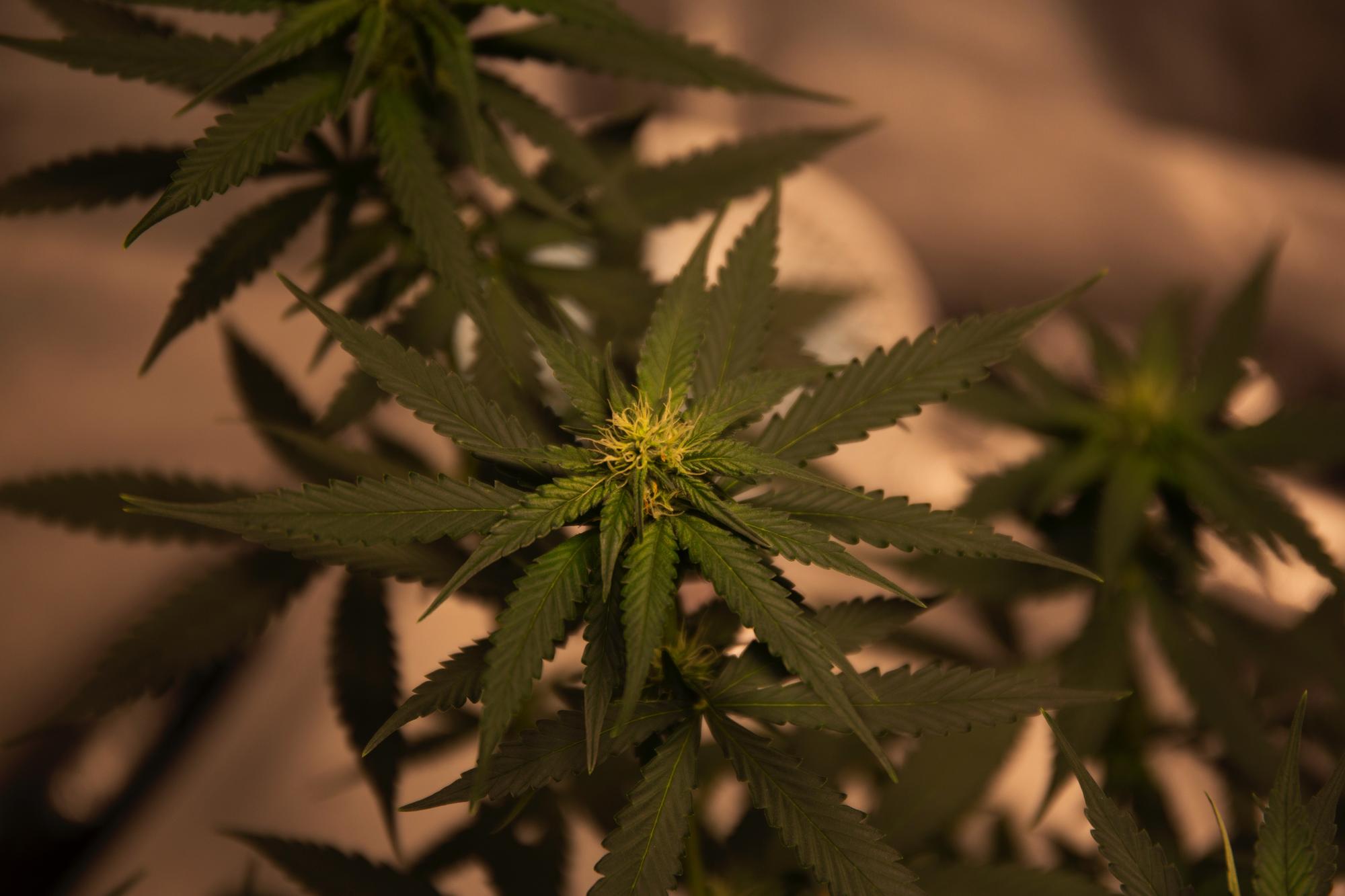
For many pilates practitioners, integrating cannabis and CBD into a wellness routine has become increasingly common. The question most consumers ask is simple: When is the best time to use these products for a safe and beneficial pilates experience? According to experienced instructors who also understand cannabis, timing depends on the goal—focus, relaxation, pain relief, or recovery.
Research on cannabis and exercise continues to evolve, yet several trends emerge. According to the National Institutes of Health, CBD has shown potential in reducing inflammation and post-exercise discomfort, making it suitable for recovery periods. THC, meanwhile, affects perception, coordination, and reaction time, which must be considered before any movement-based practice.
Pre-Pilates: Focus and Warm-Up Preparation
Some seasoned practitioners choose low-dose CBD before a pilates session. CBD’s calming, non-intoxicating effects may help reduce pre-workout tension and support mental clarity. A 2019 review in Frontiers in Psychology noted CBD’s potential role in lowering state anxiety, which can be helpful for students who need to calm the mind before entering the studio.
When it comes to THC before pilates, most experts advise caution. THC can, in some individuals, enhance sensory awareness, but it can also slow reflexes, impair coordination, or exaggerate perceived intensity. For controlled movement practices like pilates—where form and precision are essential—this can be counterproductive. If used pre-session at all, experts suggest microdoses only and emphasize knowing personal tolerance.
During Pilates: Proceed With Care
Using cannabis during pilates sessions is generally discouraged. Instructors highlight that pilates demands stable breathing patterns, core engagement, and consistent alignment, and mid-practice dosing can disrupt these rhythms. THC’s delayed onset—especially with edibles—also complicates timing, as effects may peak during a movement sequence requiring concentration or stability.
CBD, however, may sometimes be used during longer restorative sessions when applied topically. Balms or roll-ons targeting sore muscles can complement stretching or equipment-based work if they do not interfere with grip or range of motion.
Post-Pilates: Recovery, Relaxation, and Muscle Relief
Experts widely agree that the ideal time for cannabis or CBD use is after pilates, when the body transitions into recovery mode. CBD is particularly effective here; research published in the Journal of Experimental Medicine has documented CBD’s potential to reduce inflammatory responses without intoxicating effects. This makes post-workout CBD oils, edibles, and balms appealing for easing muscle tension and supporting relaxation.
THC-dominant products may also play a role in recovery. Some practitioners find that mild THC helps release lingering tension, supports stretching routines, or enhances post-class meditation—provided dosing is responsible. The key is ensuring the session is fully complete before consuming intoxicating cannabinoids.
Finding the Right Timing
Ultimately, the best time to use cannabis or CBD for pilates depends on individual goals, tolerance, and product type. Professionals emphasize starting low, moving slowly, and prioritizing safety and body awareness. For most people, CBD is appropriate pre- or post-workout, while THC tends to align best with recovery.
As cannabis and fitness research expands, consumers can expect clearer insights—but for now, mindful timing remains the foundation of a safe, beneficial pilates-cannabis routine.